◈@messiahqcmb203
Collagen And Skin Elasticity: The Interesting Scientific Research Behind Younger Skin
When should I quit taking collagen?
When taken by mouth: Collagen peptides are perhaps secure. Collagen peptides have been securely made use of in dosages up to 10 grams daily for as much as 6 months.
Product Or Services
Additionally, fish-derived collagen peptides were reported to dramatically improve skin flexibility by reducing creases and advanced glycation output (AGEs) [56] An additional study demonstrated that dental collagen peptides can hinder skin coloring, lower erythema and apply overall advantageous effects on the skin [57] Fish and porcine-derived collagen peptides have actually also been reported to substantially improved skin flexibility and postponed indications of aging [8] Czajka et al. reported a 40% boost in skin flexibility and significant improvements in skin tissue structure after collagen peptide intake [60]- The majority of collagen research study shows blended results with many studies funded by industry, increasing concerns regarding bias.
- These agricultural removes increase fibroblast activity, which aids produce collagen, elastin, and hyaluronic acid in the skin.
- People often take a look at "in the past and after collagen" outcomes and question why they see various results from similar products.
- At standard, there is reduced collagen thickness observed and a lack of architectural fibres which generally represent collagen-based ECM.
Advantages Of Boosting Collagen Production
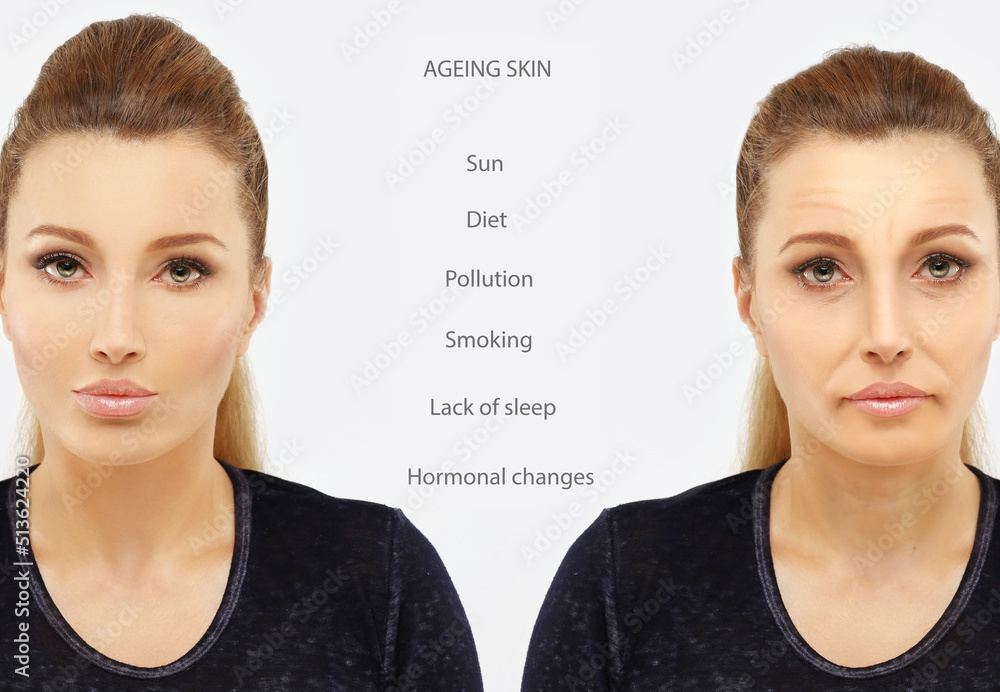
Taking collagen supplements might assist enhance skin elasticity and hydration, decreasing the look of wrinkles and promoting a more youthful complexion. While the body naturally makes collagen from amino acids in protein-rich foods like meat, bone brew, egg whites and spirulina, its all-natural high quality and quantity decline with age, specifically amongst postmenopausal ladies, the Cleveland Clinic states. Provided its duty in skin elasticity and crease decrease, "it makes sense that if you in some way can raise it, it's mosting likely to make a difference to just how we look," Vasenina claims. These supplements, stemmed from bovine or marine sources, are designed to support healthy and balanced skin, hair, nails, joints, and bones. While some studies suggest advantages for skin flexibility and hydration, the efficacy of eaten collagen is still questioned as the collagen may weaken during digestion. The skin, the outer skin layer, works as a key obstacle against virus, chemicals, and physical disrespects. Discover more here It is mostly composed of keratinocytes, which go through continual renewal with differentiation and keratinization. Keratinocytes produce architectural proteins, all-natural moisturizing factors (NMF), and obstacle lipids, thus preserving epidermal honesty and hydration [12] They additionally add to wound recovery and promote transport of water, glycerol, and urea transport via aquaporins, therefore preserving skin homeostasis [13] Melanocytes give UV defense by moving melanin to keratinocytes, and Langerhans cells add to cutaneous immune security as antigen-presenting cells [14, 15] Individuals's bodies make less collagen after age 25-- concerning 1-1.5% less annually.◈